In a world where buildings reach for the sky and fire safety is a top priority, understanding the ins and outs of building construction for the fire service is crucial. Picture this: a firefighter, clad in gear, scaling a ladder while pondering if that shiny new skyscraper is a friend or foe. Knowing the architectural quirks can mean the difference between a hero’s welcome and a face full of smoke.
Importance of Understanding Building Construction for the Fire Service
Understanding building construction serves as a critical factor for fire service professionals. Knowledge of structural designs influences decision-making during emergencies. Familiarity with various materials, such as wood, steel, and concrete, helps firefighters assess fire behavior and potential collapse scenarios.
Awareness of compartmentation improves strategies for both fire suppression and rescue operations. Recognizing features like fire doors, stairwells, and ventilation systems enhances an understanding of smoke movement and heat transfer. Such insights allow fire service professionals to identify safe evacuation routes and establish effective command locations.
Analyzing building layouts contributes to improved situational awareness. Firefighters who grasp architectural elements—like load-bearing walls and roof types—can gauge risks associated with firefighting operations. This understanding also aids in predicting how fires may spread within different types of structures.
Training in building construction fundamentals leads to better collaboration among responders. Clear communication relies on a shared understanding of technical terms related to building features. Enhanced knowledge fosters confidence in managing complex situations, mitigating potential hazards effectively.
Utilizing this knowledge allows firefighters to pre-plan responses based on specific building types. Therefore, recognizing the importance of building construction elevates the overall effectiveness of fire service operations. Understanding these elements directly impacts firefighter safety and community protection during emergencies.
Types of Building Construction
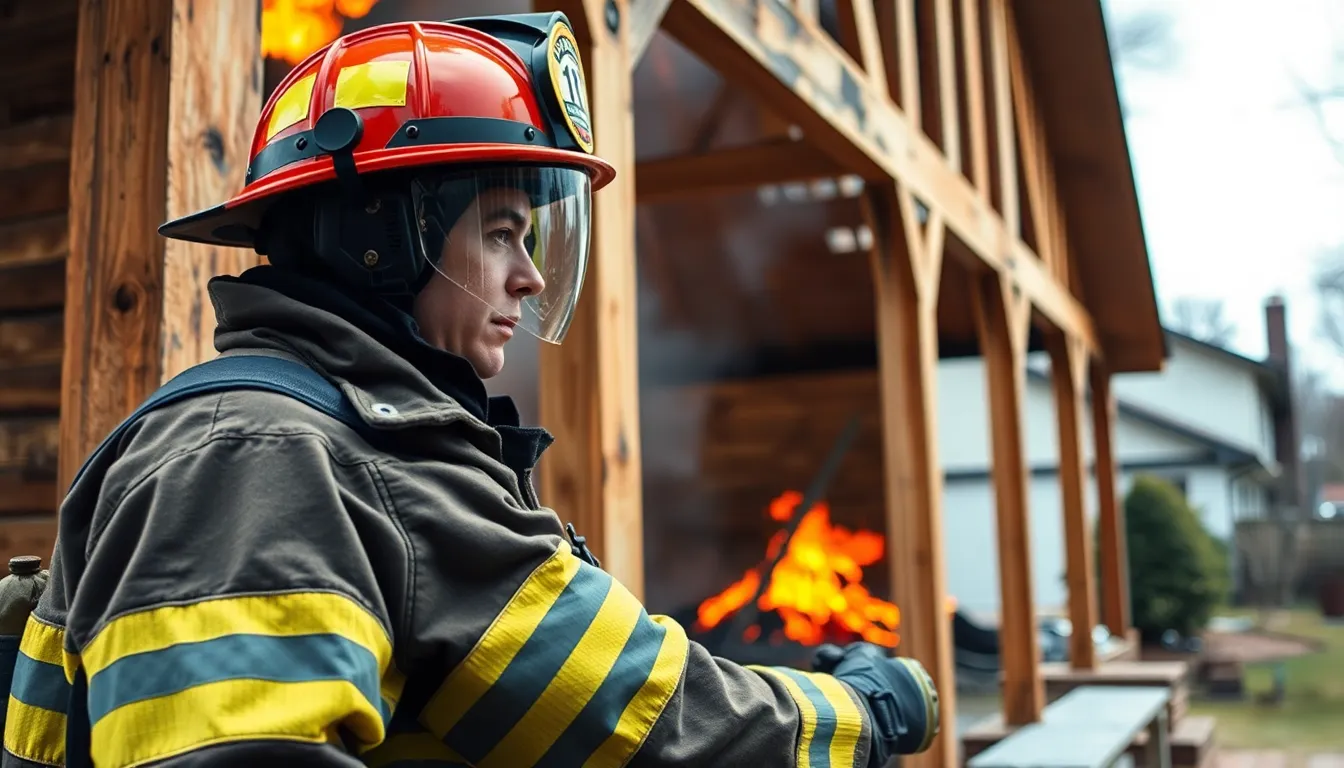
Understanding various building construction types is crucial for fire service professionals. Familiarity with structural elements can significantly influence firefighting strategies.
Wood Frame Construction
Wood frame construction consists of a lightweight, flexible framework. This type is commonly used in residential buildings and can ignite quickly. Firefighters should be aware that these structures may collapse rapidly under intense heat. Typical materials include plywood and OSB (oriented strand board). Wood’s combustibility necessitates rapid assessment during emergencies. Structures often lack compartmentalization, leading to faster fire spread. Recognizing these characteristics enhances situational awareness in rescue operations.
Steel Frame Construction
Steel frame construction features steel columns and beams providing strength. High-rise buildings often employ this method due to its durability. Proper insulation protects steel elements from heat. As temperatures rise, weakened steel can cause structural failure. Firefighters must consider the potential for delayed collapse in these structures. Understanding the fireproofing materials used, such as gypsum or concrete, is key for evaluating risks. Knowledge of the significant load-bearing capacity helps in decision-making during rescue operations.
Reinforced Concrete Construction
Reinforced concrete construction incorporates steel reinforcement for added strength. This approach is prevalent in commercial and industrial buildings. Fire resistance is a notable advantage, as concrete does not burn. Nevertheless, high temperatures can lead to spalling, compromising structural integrity. Firefighters need to recognize this risk during incidents. Elements like fire barriers and compartmentation often exist in these structures, improving safety overall. Familiarity with typical layouts aids in planning effective firefighting strategies.
Fire Behavior in Different Building Types
Understanding fire behavior in various building types enhances firefighting strategies. Specific features in buildings significantly influence how fires spread and how firefighters respond.
Factors Influencing Fire Spread
Building construction materials play a key role in fire behavior. Wood frame structures can ignite rapidly, allowing flames to spread quickly. Fire loads also affect spread; heavier loads increase potential intensity and growth. The arrangement of spaces within a building, known as compartmentation, can hinder or facilitate fire movement. Ventilation, whether natural or mechanical, impacts air flow and oxygen availability, directly influencing fire intensity. Lastly, the presence of openings such as windows and doors alters fire dynamics by providing additional escape routes or fuel sources.
Fire Resistance Ratings
Fire resistance ratings denote how long a building construction method can withstand heat and flames. Structures made from reinforced concrete typically feature high ratings, offering considerable protection against fire. Steel frames also possess ratings that vary with insulation; unprotected steel weakens under heat. Wood frames, however, generally have lower resistance ratings, allowing rapid fire development. Fire-rated doors and walls enhance the overall fire protection strategy, thereby slowing down fire spread between compartments. Recognition of these ratings allows firefighters to apply appropriate tactics based on anticipated fire behavior.
Construction Features Impacting Firefighting Efforts
Various construction features play a significant role in shaping firefighting efforts, influencing strategies and resource allocation during emergencies.
Roof Types and Their Risks
Flat roofs often pose challenges during firefighting operations. They can accumulate water and hinder access, making rescue efforts difficult. Pitched roofs, while offering better drainage, may also present hazards due to their slope and potential for structural failure under heat. Lightweight construction materials, common in many roof designs, can collapse quickly, creating substantial risks for firefighters. Understanding these roof types and their specific dangers is essential for incident command and tactical planning.
Egress and Occupancy Considerations
Egress considerations directly impact evacuation plans in emergencies. Buildings with inadequate exits can trap occupants, complicating rescue efforts. Familiarity with occupancy loads helps responders assess potential crowding issues during a fire. Identifying the number and locations of exits ensures effective evacuation routes are established. Each building’s designated occupancy also shapes firefighting strategies, as different occupancy types, like commercial versus residential, have unique fire behavior characteristics. A thorough understanding of these egress and occupancy factors improves overall response effectiveness and enhances safety for both firefighters and civilians.
Challenges Faced by firefighters
Firefighters encounter various challenges that complicate their emergency response efforts. Understanding these obstacles is crucial for enhancing safety and efficacy.
Building Code Compliance
Building codes dictate fire safety measures that structures must meet. Compliance with these codes varies across jurisdictions, leading to inconsistencies in safety standards. Outdated codes can leave gaps in protection, especially in older buildings that may not align with current safety practices. Inspecting compliance during pre-incident planning helps firefighters gather necessary information, ensuring that they are aware of potential limitations. Clear identification of code violations enables firefighters to take greater precautions during operations. Ultimately, adhering to up-to-date codes can significantly enhance overall safety during firefighting efforts.
Hazardous Materials and Their Risks
Firefighters frequently confront hazardous materials in modern structures. Many buildings house chemicals, toxins, and flammable substances that will threaten health and safety. Recognizing the presence of these materials before firefighting efforts is absolutely essential. Exposure to hazardous smoke or fumes can impair firefighting operations. Adequate attention to material Safety Data Sheets (SDS) during pre-incident assessments enables firefighters to develop informed strategies. Predicting the behavior of different hazards during a fire aids in making critical decisions under pressure. Mastery of hazardous materials is vital for protecting both responders and civilians, helping ensure a safer outcome during fires.
Mastering building construction principles is vital for fire service professionals. It directly influences their ability to navigate complex environments and make informed decisions during emergencies. Understanding materials and architectural features enhances situational awareness and allows for effective strategies in fire suppression and rescue operations.
As firefighters face diverse challenges, knowledge of construction types and their fire behavior can significantly improve their safety and operational efficiency. This expertise not only aids in tactical planning but also fosters better communication among responders. Ultimately, prioritizing building construction knowledge is essential for protecting both firefighters and the communities they serve.