Imagine a world where creativity knows no bounds and every structure is a masterpiece waiting to be built. Welcome to the fascinating realm of building blocks construction, where imagination meets engineering in a delightful dance. Whether it’s a towering skyscraper or a cozy cottage, these colorful blocks are the foundation of innovation, sparking joy in both kids and adults alike.
Overview of Building Blocks Construction
Building blocks construction serves as a foundation for creativity and innovation in diverse architectural designs. This method involves utilizing interconnected units made of materials like wood, plastic, or concrete to create structures. Architects and engineers embrace this technique for its versatility, making it applicable to both large-scale developments and small projects.
These blocks come in various shapes and sizes, allowing for intricate designs or simple forms. Customization plays a significant role, as users can choose colors, textures, and arrangements that reflect their vision. In educational settings, building blocks foster teamwork and problem-solving skills among children through collaborative building challenges.
Sustainability plays a crucial role in modern building blocks construction. Many manufacturers now produce eco-friendly options, promoting environmentally responsible practices. This approach aligns with global efforts toward greener building solutions.
Building blocks construction encourages exploration and experimentation. Whether creating a model skyscraper or a cozy cottage, the possibilities are endless. Professionals and enthusiasts alike appreciate the tactile experience of assembling structures, leading to enhanced engagement in architectural processes.
Cost-effectiveness is another advantage, as assembled blocks often require less time and labor compared to traditional construction methods. Various sizes and configurations yield optimized layouts, responding effectively to different site conditions.
Overall, building blocks construction empowers individuals and teams to bring imaginative visions to life, promoting a unique blend of art and engineering.
Types of Building Blocks
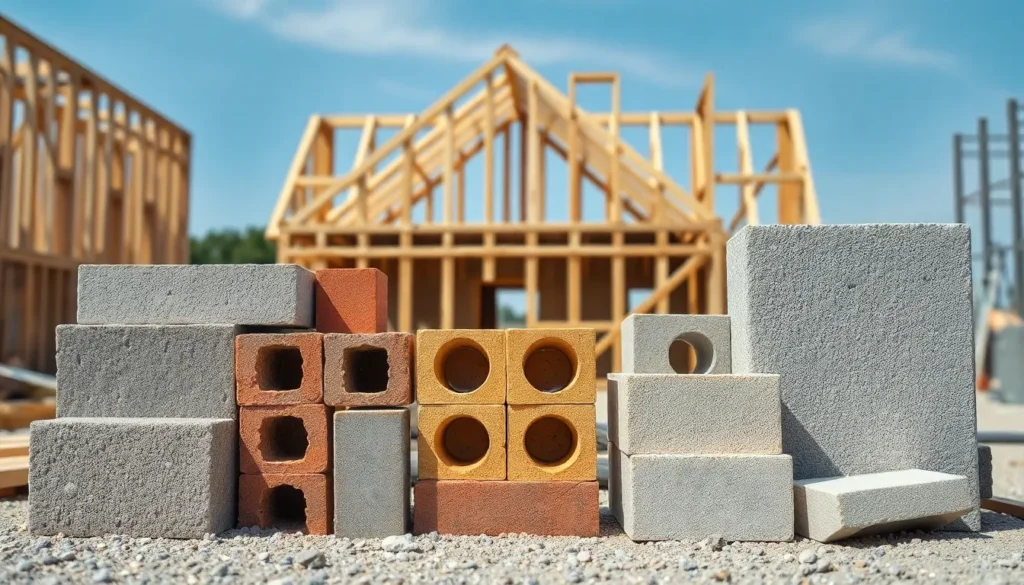
Building blocks come in various types, each serving different construction needs and applications.
Concrete Blocks
Concrete blocks are highly durable and versatile. Often used for structural walls, they offer excellent load-bearing capabilities. Their standardized dimensions simplify construction, leading to quicker project timelines. Builders appreciate their resistance to weather and fire, making them ideal for both residential and commercial use. Various finishes and textures enhance aesthetics, allowing for creative exterior designs.
Cinder Blocks
Cinder blocks consist of concrete and aggregates, typically providing a lightweight alternative to concrete blocks. Their easy handling makes them popular for DIY projects and small structures. Many use cinder blocks in garden walls or planters due to their affordability and versatility. The hollow centers allow for insulation or reinforcement, enhancing structural integrity. Cinder blocks also contribute to efficient drainage in landscaping applications.
Foam Blocks
Foam blocks, made from expanded polystyrene or similar materials, offer a lightweight building solution. They are often used in insulation applications, providing energy efficiency for structures. Construction with foam blocks usually involves fast installation, reducing labor costs and time. Many builders appreciate their ease of handling and cutting, facilitating customization. These blocks can also aid in seismic resistance, promoting safety in areas prone to earthquakes.
Benefits of Building Blocks Construction
Building blocks construction offers various advantages that enhance both the building process and the final product. This method stands out for its flexibility and adaptability across numerous projects.
Durability and Strength
Concrete blocks deliver exceptional durability and strength. Many structures benefit from their load-bearing capabilities, ensuring stability for residential and commercial applications. Cinder blocks offer lighter alternatives yet still provide significant resilience in construction projects. Foam blocks, while lighter, support energy efficiency and insulation, enhancing overall structural integrity. They resist environmental factors effectively, making them suitable for various climatic conditions. Materials used in building blocks construction undergo rigorous testing, affirming their longevity under stress. Overall, whether for load-bearing walls or aesthetic features, building blocks stand the test of time effectively.
Cost-Effectiveness
Cost-effectiveness ranks high among the benefits of building blocks construction. Using assembled blocks usually requires less labor than traditional building methods, streamlining the construction process. Reduced time on site leads to lower overall project costs, allowing budget-conscious builders to explore advanced designs. Additionally, numerous options exist at affordable price points, making these blocks accessible for small and large projects. Material efficiency further contributes to savings, as excess waste diminishes when using modular block systems. Homeowners and builders alike appreciate the balance of quality and affordability provided by building blocks in various applications.
Applications of Building Blocks Construction
Building blocks construction finds applications in various sectors, showcasing its versatility and effectiveness. Its practicality extends to residential and commercial building projects, meeting diverse needs.
Residential Building
In residential building, building blocks provide durable and aesthetically pleasing structures. Homeowners appreciate the variety of block types available for construction, including concrete and cinder blocks, which offer strength and insulation. Blocks allow for creative architectural designs, enabling custom layouts and energy-efficient homes. Many builders prefer using foam blocks for their energy efficiency and ease of handling. These materials also support quick construction timelines, reducing labor costs. Families seeking sustainable options benefit from eco-friendly blocks, aligning construction with environmental priorities. Ultimately, building blocks empower homeowners to create functional living spaces tailored to their lifestyles.
Commercial Projects
Commercial projects leverage building blocks for their strength and cost efficiency. Business owners often choose concrete blocks for structural walls due to their load-bearing capabilities. Cinder blocks, with their affordability, serve well in smaller buildings and extensions. Utilizing foam blocks aids in energy conservation, an essential consideration for modern businesses. Flexibility in design enhances the appeal of these materials, facilitating innovative solutions for office spaces and retail establishments. When durability is a top priority, building blocks meet the demands of high-traffic environments effectively. Furthermore, their rapid assembly reduces overall project timelines, allowing businesses to focus on operations sooner.
Building blocks construction stands as a dynamic approach that merges creativity with engineering. Its versatility allows for a wide range of applications in both residential and commercial projects, empowering builders to explore innovative designs. The variety of block types ensures that there’s a suitable option for every need, enhancing both functionality and aesthetic appeal.
As sustainability becomes increasingly important, eco-friendly materials in building blocks construction align with global efforts for greener solutions. This method not only fosters creativity but also encourages collaboration and skill development among individuals. Ultimately, building blocks construction offers a unique opportunity to transform imaginative visions into tangible realities, making it a favored choice for modern builders and architects alike.