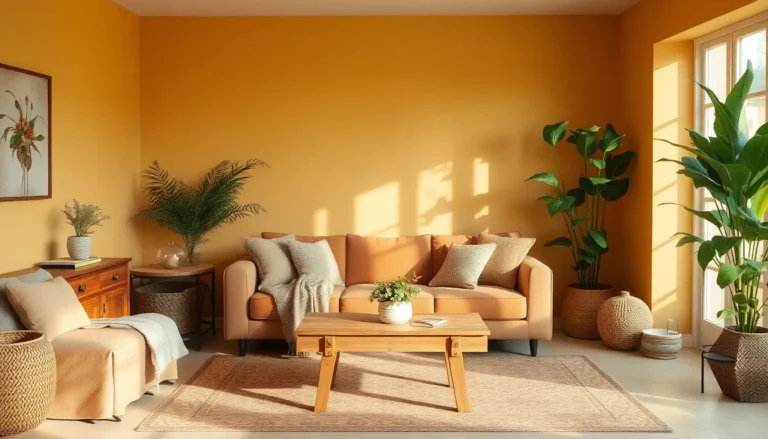
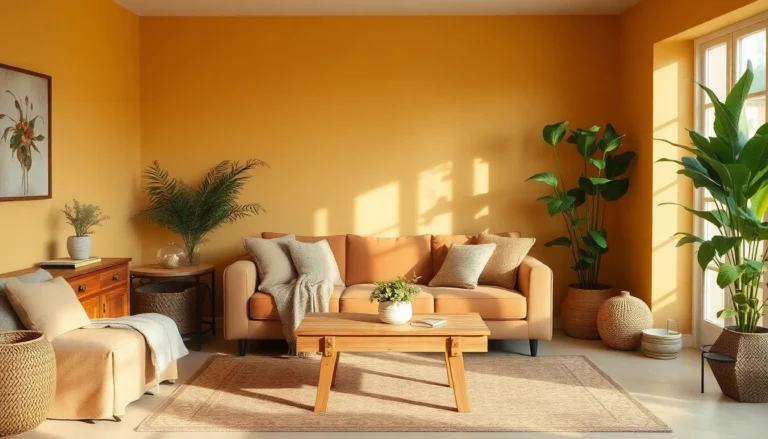
In a world where buildings reach for the sky and designs push the limits of imagination, the art of building design and construction has never been more thrilling. It’s not just about erecting walls and roofs; it’s about crafting spaces that inspire, innovate, and sometimes even make you question your life choices—like that time you thought a sunroom was a good idea in a snowstorm.
With every blueprint comes a chance to blend functionality with flair, ensuring that a structure isn’t just a place to work or live but an experience in itself. Whether it’s a cozy café with a quirky twist or a sleek office that screams productivity, the right design can transform the mundane into the extraordinary. Dive into the world of building design and construction, where creativity meets engineering and every project tells a story worth telling.
Overview of Building Design + Construction
Building design and construction encompass a blend of creativity and practicality. Both aspects focus on creating spaces that inspire and serve specific purposes.
Importance of Building Design
Building design plays a critical role in user experience and functionality. Effective designs enhance community engagement and promote well-being. Innovative architectural solutions address environmental impacts, ensuring sustainability in construction. Each design element interacts with others, contributing to the overall aesthetic and operational efficiency. Engaging designs invite collaboration and creativity in workspaces, making them essential for business productivity. A thoughtful design can also increase property values, benefiting investors and owners alike.
Key Concepts in Construction
Construction involves various concepts that ensure efficiency and safety. Planning serves as the foundation for any successful project. Scheduling optimizes time management and resource allocation throughout the building process. Safety protocols protect workers and the environment during construction activities. Quality management ensures materials meet standards and specifications. Collaboration among architects, engineers, and contractors fosters effective communication, ultimately leading to successful project completion. Effective project management tools streamline workflows, mitigate risks, and enhance productivity in construction.
Building Design Process
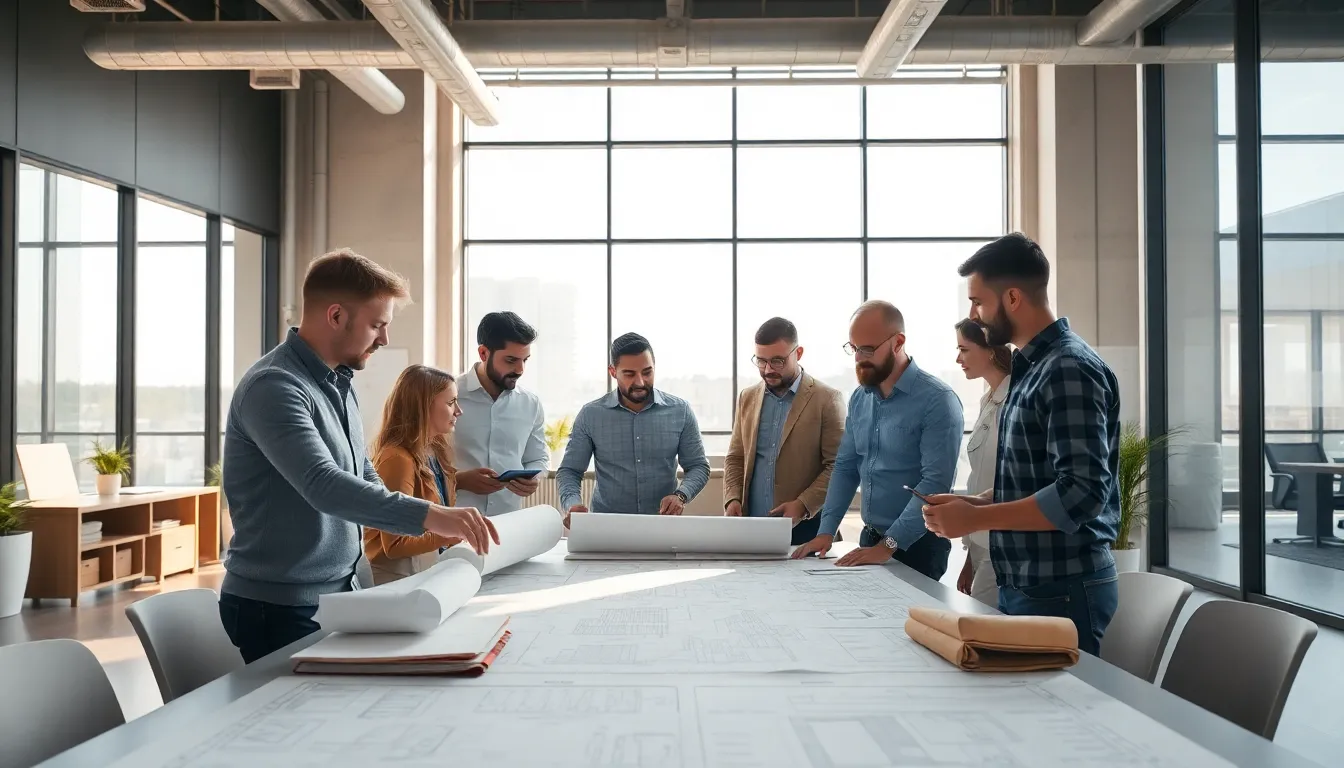
The building design process encompasses multiple stages that contribute to constructing functional and aesthetically pleasing spaces. A structured approach helps streamline all phases of development.
Stages of Design Development
Several key stages define the design development process. Initial concept sketches outline broad ideas within a specific context. Design refinement follows, integrating feedback to enhance features and usability. Detailed drawings emerge next, illustrating technical specifications and construction methods. Final design approval signifies readiness for the construction phase, ensuring every detail aligns with project goals. Each stage ensures clarity in vision and collaboration among stakeholders, ultimately leading to successful outcomes.
Collaboration with Architects and Engineers
Collaboration among architects and engineers is essential for effective building design. These professionals bring diverse expertise to the table, enhancing overall project quality. Regular meetings and open communication channels foster a shared understanding of objectives and constraints. Architects focus on aesthetics and functionality, while engineers address structural integrity and systems integration. Together, they identify potential challenges early, enabling proactive solutions. Such teamwork promotes innovation, leading to designs that meet client expectations while adhering to safety and sustainability standards.
Construction Methods and Techniques
Construction encompasses a variety of methods and techniques that impact project efficiency and quality. Traditions and innovations both play significant roles in shaping how buildings are constructed today.
Traditional Construction Techniques
Brick and mortar remain staples in traditional building because of their durability and aesthetic qualities. Wood framing serves as another classic method, favored for its versatility and ease of use. Stone structures, known for longevity, reflect craftsmanship in historic architecture. Concrete blocks provide durability, often used in residential and commercial builds alike. Each method emphasizes quality materials, skilled labor, and time-tested practices, making them reliable choices in the construction field.
Modern Construction Innovations
Prefabrication techniques are gaining traction, allowing components to be manufactured off-site and assembled on location, resulting in time and cost savings. 3D printing technology advances capabilities, enabling unique shapes and structures to become feasible. Sustainable building practices focus on eco-friendly materials such as recycled steel and bamboo. Smart home technology integrates seamlessly into new builds, enhancing energy efficiency and user experience. These innovations not only streamline construction but also elevate functionality, transforming how spaces are envisioned and utilized.
Sustainable Practices in Building Design + Construction
Sustainable practices in building design and construction are vital for minimizing environmental impact. These practices incorporate various strategies aimed at enhancing overall efficiency and longevity.
Energy Efficiency Considerations
Energy efficiency plays a crucial role in sustainable building design. Incorporating these strategies can significantly reduce energy consumption. Designers often implement features like high-performance windows, adequate insulation, and energy-efficient HVAC systems. Utilizing renewable energy sources, such as solar panels, lowers dependence on non-renewable resources. Understanding and applying energy modeling tools helps optimize designs for reduced energy use. By prioritizing energy efficiency, buildings not only cut costs but also contribute to a healthier planet.
Use of Eco-Friendly Materials
The use of eco-friendly materials represents another cornerstone of sustainable building practices. Selecting products that are renewable, recyclable, or made from low-impact resources supports environmental conservation. Bamboo, reclaimed wood, and recycled metal are popular choices among architects. Avoiding materials with high levels of volatile organic compounds (VOCs) enhances indoor air quality, benefiting occupants. Certifications like the Forest Stewardship Council (FSC) ensure that materials come from responsibly managed sources. By emphasizing eco-friendly materials, projects gain both quality and sustainability, appealing to conscious consumers.
Challenges in Building Design + Construction
Building design and construction face numerous challenges that require careful navigation. These complexities can impact project efficiency and outcomes.
Budget Constraints
Budget constraints present significant challenges in building design and construction. Limited financial resources can lead to compromises in design quality or material selection. Project teams often need to prioritize essential elements, which could affect overall aesthetics and functionality. Decisions made under financial pressure might lead to cost-cutting measures, potentially resulting in lower-quality materials and inefficient designs. Stakeholders must engage in thorough budgeting practices to identify cost-effective strategies without sacrificing project integrity. Effective communication regarding budget limitations fosters collaboration between architects, engineers, and clients, ensuring that all parties understand financial boundaries while seeking innovative solutions.
Regulatory Compliance Issues
Regulatory compliance issues complicate building design and construction significantly. Various local, state, and federal codes govern safety, accessibility, and environmental standards. Architects and contractors must navigate these regulations effectively to avoid project delays and legal ramifications. Ensuring compliance requires diligent research and understanding of zoning laws, building codes, and permit requirements. Communication with regulatory bodies can also mitigate potential obstacles, helping to streamline the approval process. Proactive management of these compliance issues can lead to enhanced project execution and a smoother construction journey, ultimately benefiting all stakeholders involved.
Building design and construction is a dynamic field that merges creativity with practicality. By prioritizing innovative solutions and sustainable practices, professionals can create spaces that not only meet functional needs but also inspire and engage users. The collaborative efforts of architects, engineers, and contractors are essential in navigating challenges and ensuring project success.
As the industry evolves, embracing new technologies and methods will be crucial for enhancing efficiency and quality. The commitment to sustainability and user experience will shape the future of building design, making it a vital consideration for all stakeholders involved. Ultimately, thoughtful design and construction practices hold the power to transform environments and elevate community well-being.