When it comes to building construction, electrical installation isn’t just an afterthought—it’s the lifeblood of any structure. Imagine a world where your morning coffee’s brewing in the dark, or your favorite playlist is just a distant dream because the lights won’t turn on. That’s right—without proper electrical installation, life could get pretty dim, literally!
Overview of Electrical Installation in Building Construction
Electrical installation in building construction plays a vital role in ensuring safety and efficiency. It encompasses the design, installation, and maintenance of electrical systems throughout a structure. Proper planning contributes to a seamless integration of all electrical components, including wiring, lighting, and outlets.
Regulatory compliance is essential. Adhering to local codes and standards ensures that installations meet safety requirements. Inspections by certified professionals often validate correct installations, safeguarding occupants and property.
The choice of materials significantly affects installation quality. Using high-grade wiring and fixtures minimizes hazards and increases longevity. Additionally, energy-efficient systems, such as LED lighting and smart technologies, promote sustainability.
Designing the layout involves strategic planning. Electrical circuits need to support load requirements, minimizing overload risks. Furthermore, installing adequate circuit breakers and outlets ensures functionality throughout the building.
Collaboration among professionals contributes to success. Electricians work alongside architects and builders to create a cohesive electrical plan. This teamwork often results in optimized designs that can adapt to various construction phases.
Maintenance of electrical systems remains critical after installation. Regular inspections identify potential issues before they escalate. Timely maintenance enhances safety and extends the lifespan of electrical components, ensuring lasting value in the construction.
Electrical installation forms the backbone of effective building construction. It influences not only the functionality of spaces but also the safety and comfort of all who occupy them.
Key Components of Electrical Installation
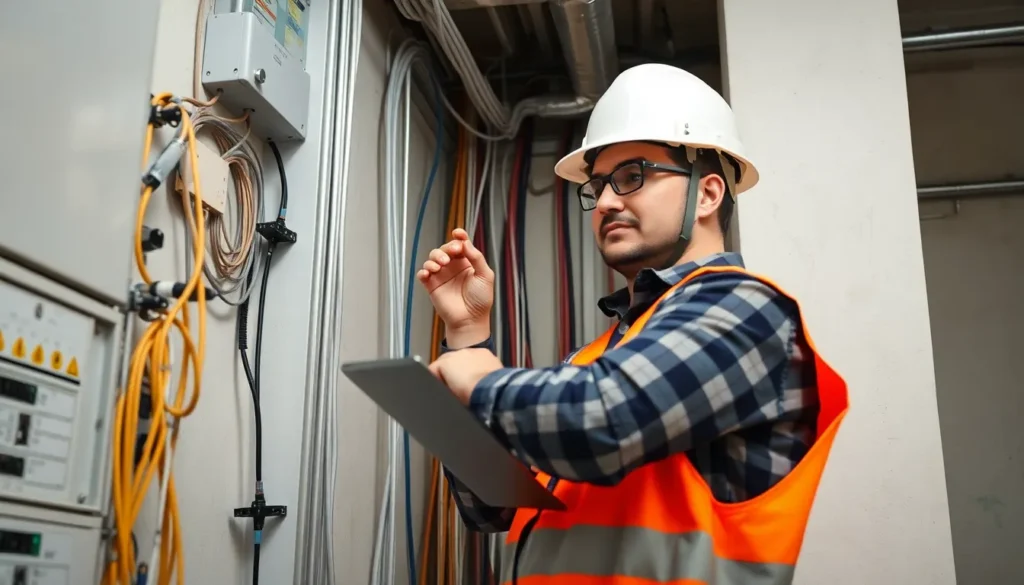
Electrical installation consists of several essential components that ensure proper functionality and safety within a building. Each component plays a significant role in the overall electrical system.
Wiring Systems
Wiring systems serve as the backbone of electrical installations. These systems transport electricity from the main source to various points in a building. Common types of wiring include non-metallic sheathed cable, conduit wiring, and fiber optic cables. Proper selection and installation ensure optimal performance and safety. Experienced electricians design wiring layouts that meet the specific power demands of equipment and appliances. Regular inspections of wiring systems identify wear and prevent future hazards, such as short circuits or electrical fires.
Circuit Breakers and Panels
Circuit breakers and panels act as safety devices in electrical systems. They help protect circuits from overloads and short circuits. Circuit breakers automatically disconnect power when excessive current is detected, preventing damage to wiring and appliances. Panels distribute electrical power throughout a building, accommodating multiple circuits and simplifying control. Electrics professionals ensure proper installation and labeling of circuit breakers for easy identification during maintenance. Routine checking of circuit panels contributes to identifying potential issues, thus enhancing safety for all occupants.
Electrical Codes and Regulations
Adhering to electrical codes and regulations is essential in building construction. They ensure that installations meet safety and performance standards.
Local Building Codes
Local building codes dictate the minimum requirements for electrical installations. These codes vary by region, reflecting specific environmental conditions and safety needs. Compliance with these codes guarantees proper installation practices, reducing risks of electrical failures. Builders must consult their local code enforcement office to understand specific regulations. Regular updates to building codes account for advancements in technology and safety practices. Therefore, staying informed about these changes is vital for all professionals involved.
Safety Standards
Safety standards are crucial for protecting lives and property in electrical installations. Organizations, like the National Electrical Code (NEC), establish guidelines to mitigate hazards. These standards cover essential areas such as wiring methods, grounding, and load calculations. Compliance ensures that components meet national safety requirements, minimizing electrical fires and shocks. Building professionals often conduct routine inspections to verify adherence to these standards. Additionally, awareness of evolving safety measures promotes a culture of vigilance regarding potential electrical risks.
Planning and Designing Electrical Installations
Planning and designing electrical installations require meticulous attention to various aspects to ensure safety and functionality.
Load Calculations
Accurate load calculations determine the electrical demands of a building. Each circuit must handle specific loads, avoiding overloading that can lead to hazardous situations. Factors like the total wattage of devices and safety margins play a crucial role in these calculations. Consulting the National Electrical Code (NEC) provides guidelines that ensure compliance with local standards. Evaluating demand factors, such as peak usage times, helps create a reliable electrical system. Determining the size of conductors involves assessing the calculated loads, which is vital for optimizing performance. These computations ensure that the installation accommodates current and future electrical needs.
Blueprint Integration
Integrating electrical layouts into blueprints is essential for coordinated construction. This incorporation identifies locations for outlets, switches, and lighting fixtures early in the building process. Collaborating with architects helps create efficient designs tailored to specific requirements. Detailed diagrams allow for precise placements of wiring systems and circuit breakers throughout the structure. Utilizing Building Information Modeling (BIM) enhances visualization and coordination among various trades. Coordinated scheduling and communication among all parties ensure that electrical plans align with overall building objectives. Incorporating feedback from electricians and other professionals leads to more effective and sustainable solutions.
Common Electrical Installation Practices
Electrical installations play a key role in both residential and commercial construction. Each setting has unique practices that ensure safety and efficiency across various applications.
Residential Installations
Residential installations focus on meeting the specific electrical needs of homes. Proper circuit layouts ensure that individual circuits handle designated loads without risk of overload. Choice of wiring types, such as non-metallic sheathed cables, aligns with safety and performance standards. Local building codes provide guidelines that help ensure compliance, enhancing safety during daily activities. Homeowners benefit from energy-efficient systems, as strategic design reduces utility costs. Regular maintenance checks allow for the identification of any issues, thus prolonging the lifespan of components and systems in the home.
Commercial Installations
Commercial installations address larger, more complex electrical needs found in business environments. Accurate load calculations remain crucial, as commercial spaces often house heavy machinery and equipment. Installation of three-phase power systems efficiently delivers electricity to high-demand areas. Compliance with safety standards, including those outlined by the NEC, ensures optimal operational safety for employees and customers. Effective collaboration among contractors, electricians, and facility managers streamlines the process of integrating electrical systems into the overall building design. Regular inspections minimize downtime by proactively identifying potential hazards, supporting operational continuity.
Electrical installation is a cornerstone of successful building construction. Properly designed and executed systems not only enhance functionality but also ensure safety and efficiency. By prioritizing quality materials and adhering to local codes, builders can create reliable electrical infrastructures that support everyday activities.
Regular maintenance and inspections play a vital role in prolonging the lifespan of electrical components while safeguarding the well-being of occupants. Collaboration among professionals in the field fosters innovative solutions and optimizes electrical layouts, ultimately contributing to sustainable construction practices. As buildings evolve, so do electrical needs, making it essential to stay informed about advancements and best practices in the industry.