In a world where everyone dreams of the perfect home, residential building construction stands as the unsung hero, turning those dreams into reality. It’s not just about bricks and mortar; it’s about crafting spaces where memories are made, laughter echoes, and the occasional sock mysteriously disappears. Who knew that building a house could be as thrilling as a roller coaster ride—complete with unexpected twists, turns, and a few nail-biting moments?
From selecting the ideal plot to choosing the right materials, every step in residential construction is a blend of art and science. With the right team, it’s possible to create a sanctuary that reflects personal style while meeting practical needs. So, buckle up and get ready to explore the fascinating world of residential building construction, where creativity meets functionality, and every home tells a unique story.
Overview of Residential Building Construction
Residential building construction plays a crucial role in shaping communities and fulfilling housing needs. It involves a systematic approach to creating homes that are functional and aesthetically pleasing.
Definition and Importance
Residential building construction refers to the process of designing and erecting structures intended for dwelling purposes. Each home serves as a sanctuary, reflecting individual preferences and lifestyle choices. It’s essential for meeting the demand for housing and enhancing community development. As urban populations grow, quality residential construction directly impacts property values and overall living standards. A well-constructed home not only provides shelter but also supports economic stability through job creation and resource utilization.
Key Components of Residential Buildings
Key components include the foundation, framing, roofing, and exterior finishes. Foundations provide stability and load-bearing capabilities, making them integral to any structure. Framing forms the skeleton, supporting walls and roofs. Roofing systems protect interiors from weather elements, while exterior finishes enhance curb appeal. Additionally, plumbing, electrical, and HVAC systems contribute to a home’s functionality and comfort. Each component must meet local building codes, ensuring safety and durability. Understanding these components fosters better decision-making during the construction process.
Types of Residential Buildings
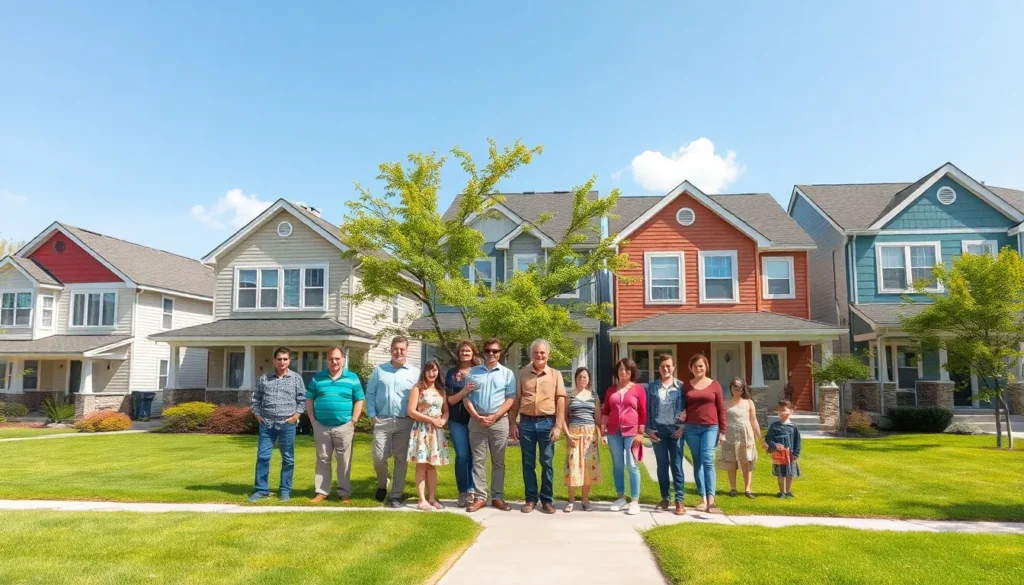
Residential buildings come in various forms, each designed to meet specific needs and preferences. Understanding these types helps in making informed choices during construction.
Single-Family Homes
Single-family homes serve as independent dwellings for one household. These structures often feature distinct characteristics, such as private yards and garages. Ideal for families, they provide ample living space and privacy. Variations include bungalows, ranch-style homes, and modern two-story houses. Each style reflects unique architectural preferences, catering to different lifestyles. Owners typically enjoy the freedom to personalize interiors and exteriors according to taste. Single-family homes represent a significant portion of residential construction, contributing to community identity and character.
Multi-Family Units
Multi-family units encompass buildings designed to house multiple families. Examples include apartment complexes, townhouses, and duplexes. Such structures offer efficient use of land and cater to diverse populations. Residents share common areas, which promotes community interaction. Often, these units come with amenities like pools or fitness centers, enhancing the living experience. Multi-family designs can vary greatly, allowing for different layouts and functionalities. This type of residential construction addresses housing needs in densely populated urban settings, ensuring affordable options for various income levels.
The Construction Process
The construction process involves several critical stages that contribute to the successful completion of a residential building. Each step requires careful attention to detail.
Planning and Design
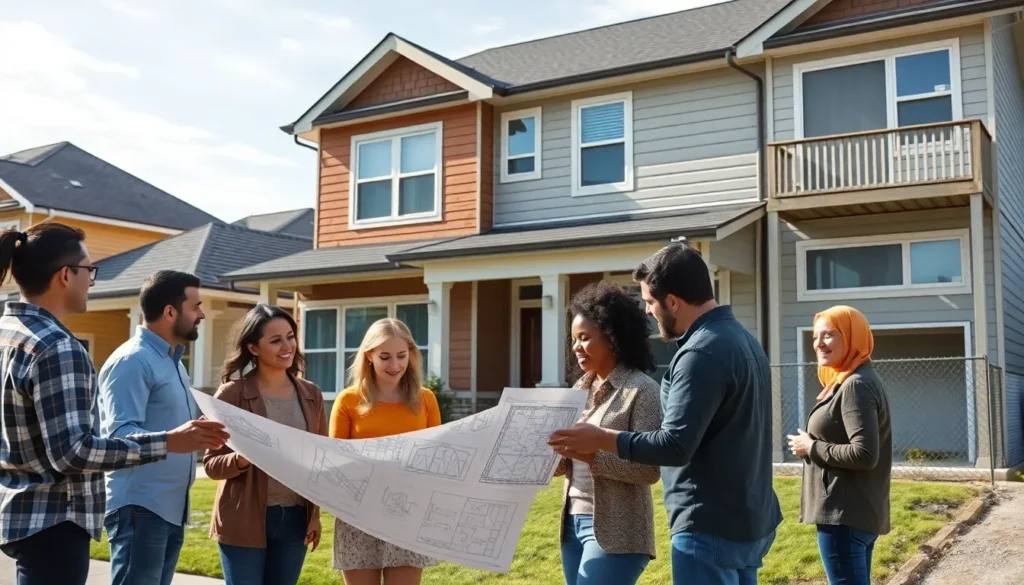
Planning and design represent the foundation of successful construction. This phase includes determining the layout, size, and style of the home. Architects and designers collaborate closely with clients to create blueprints that meet specific needs and preferences. Selecting materials also occurs during this stage, prioritizing aesthetics and functionality. Energy efficiency often influences material choices, addressing both sustainability and cost-effectiveness. Proper planning can prevent costly changes later in the process, ensuring a smoother construction experience.
Permitting and Regulations
Permitting and regulations ensure compliance with local laws and safety standards. Obtaining necessary permits is crucial before any construction begins. Local authorities require plans to meet zoning laws, building codes, and environmental regulations. An understanding of these regulations can significantly reduce the risk of delays or complications. Each jurisdiction may have unique requirements, which may vary by state or municipality. Engaging a knowledgeable contractor familiar with local regulations enhances the likelihood of completing the project smoothly and legally.
Site Preparation and Foundation Work
Site preparation and foundation work lay the groundwork for a stable and durable building. Excavation and grading of the lot occur first, creating the necessary landscape for construction. This stage may involve removing debris, leveling the site, and addressing drainage concerns. Following these preparations, contractors pour concrete for the foundation, which supports the entire structure. Choosing the right foundation type—whether slab, crawl space, or basement—depends on soil conditions and building design. Solid foundation work is vital for structural integrity, significantly impacting the building’s longevity.
Materials Used in Residential Construction
Selecting appropriate materials is crucial for residential construction. Various options exist, each serving specific purposes and enhancing functionality.
Traditional Materials
Wood stands as a widely used traditional material, valued for its natural beauty and versatility. Brick also remains popular, offering durability and aesthetic appeal. Concrete frequently supports strong foundations and ensures structural integrity. Stone, often chosen for its timeless appeal, enhances exterior façades. Gypsum board represents a common choice for interior walls due to its affordability and ease of installation. These materials contribute to the overall quality and longevity of residential buildings.
Innovative Construction Materials
Emerging materials are changing the landscape of residential construction. Engineered wood products, like laminated veneer lumber, provide strength while minimizing waste. Insulated concrete forms enhance energy efficiency with superior insulation properties. Prefabricated components streamline the building process, reducing time on site. Smart materials, which adapt to environmental changes, improve comfort and sustainability. Advanced composites combine benefits of strength and lightweight properties, paving the way for innovative designs. These materials reflect ongoing advancements in construction technology, catering to contemporary needs.
Trends in Residential Building Construction
Trends in residential building construction reflect evolving consumer preferences and technological advancements. Notable developments highlight a commitment to sustainable practices and the integration of smart home technology.
Sustainable Building Practices
Sustainable building practices focus on reducing environmental impact while enhancing energy efficiency. Builders increasingly opt for eco-friendly materials like bamboo, recycled steel, and reclaimed wood. Incorporating renewable energy sources, such as solar panels, improves energy autonomy and lowers utility costs over time. Green certifications, including LEED, encourage adherence to sustainability standards. Water conservation techniques, such as rainwater harvesting and low-flow fixtures, enhance resource management. By embracing these practices, residential buildings achieve long-term viability and appeal to environmentally conscious buyers.
Smart Home Technology
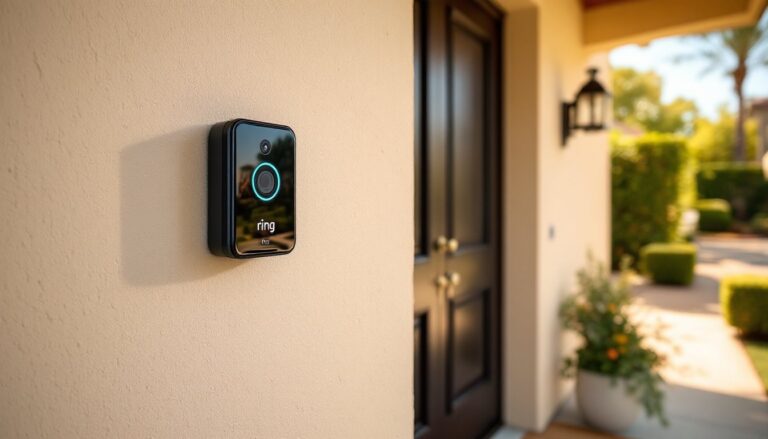
Smart home technology transforms how residents interact with their spaces. Home automation systems allow for seamless control of lighting, heating, and security through smartphones. Moreover, smart appliances, like energy-efficient refrigerators and water heaters, optimize electricity use. Voice-activated assistants simplify everyday tasks while enhancing convenience. Security features, such as smart locks and surveillance cameras, promote safety and peace of mind. This integration of technology not only elevates comfort but also increases property value, catering to a tech-savvy market.
Challenges in the Industry
Residential building construction faces several challenges that impact efficiency and project timelines. Labor shortages and supply chain issues significantly affect the industry’s ability to meet growing housing demands.
Labor Shortages
Labor shortages represent a major challenge in residential construction. Skilled tradespeople, such as electricians, plumbers, and carpenters, are in high demand but short supply. Recruitment efforts often fall short due to an aging workforce and insufficient training for new workers. Consequently, projects encounter delays as contractors struggle to find qualified labor. According to the National Association of Home Builders, nearly 80% of builders face difficulties hiring skilled labor. Addressing this shortage requires initiatives to attract workers into the trades and increase training opportunities.
Supply Chain Issues
Supply chain issues create additional hurdles in residential building construction. Disruptions in production and transportation lead to material shortages and increased costs. The COVID-19 pandemic exacerbated these challenges, causing delays in the delivery of essential materials like lumber, steel, and drywall. Builders often face rising prices and fluctuating availability, complicating project budgeting and timelines. Furthermore, increased shipping times impact the overall construction schedule, causing frustration for builders and homeowners alike. To remedy supply chain challenges, companies are advised to diversify suppliers and maintain effective inventory management strategies.
Residential building construction plays a pivotal role in shaping not just individual homes but entire communities. As the demand for housing continues to rise, understanding the complexities of this process becomes essential. From selecting quality materials to adhering to building codes, each step contributes to the creation of safe and functional living spaces.
Innovative practices and sustainable materials are transforming the industry, ensuring that homes meet modern needs while minimizing environmental impact. Addressing challenges like labor shortages and supply chain issues is crucial for maintaining project timelines and budgets. By embracing these trends and challenges, builders can create homes that are not only beautiful but also resilient and efficient, making a lasting impact on the communities they serve.